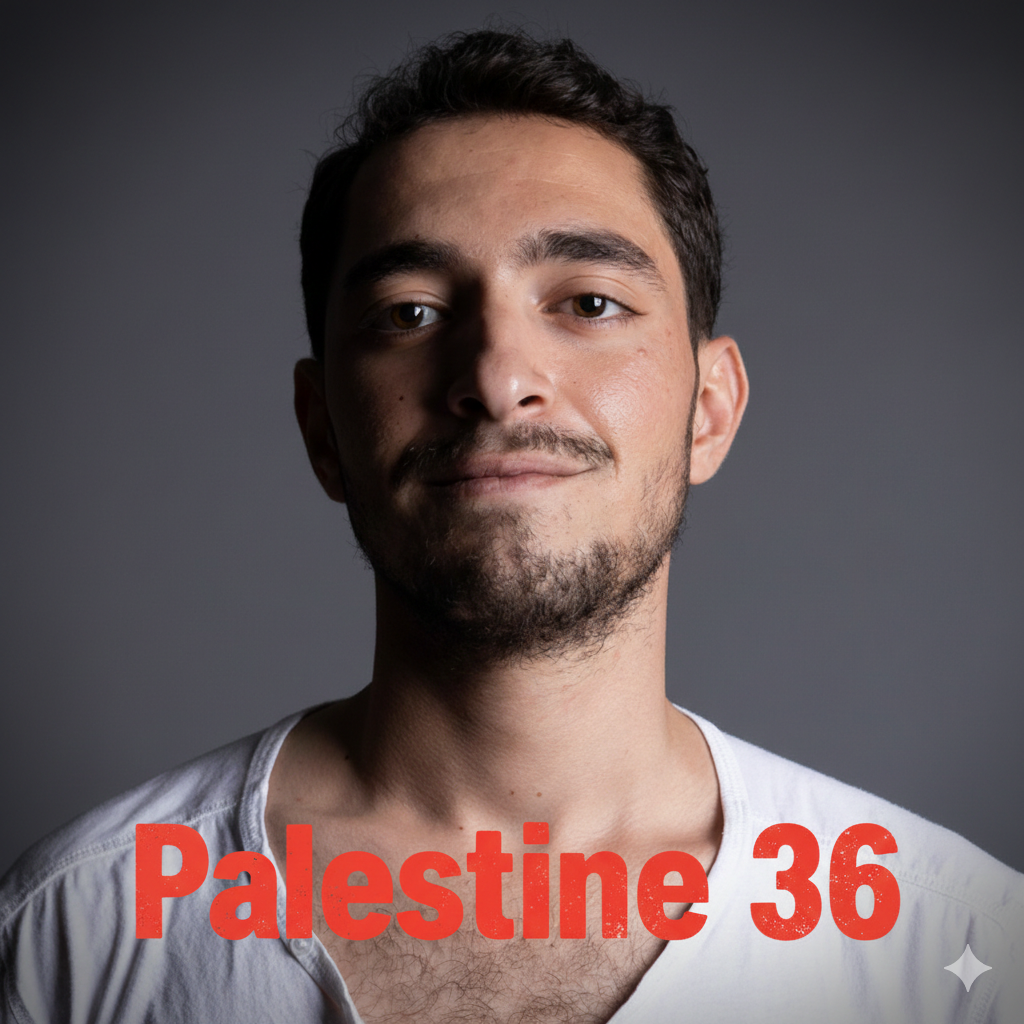
Profile of Samer Bisharat: A Palestinian Actor Bridging Cultures Through Cinema
Within the contemporary landscape of Palestinian cinema, the name Samer Bisharat emerges as a promising and dedicated actor whose work connects deeply with narratives of identity, conflict, and resilience. Though not widely known in mainstream Hollywood circles, Bisharat is recognized within independent and international film communities, especially those highlighting Palestinian stories. His association with films such as Palestine 36, slated for release in 2025, positions him as a noteworthy figure contributing to the cultural representation of Palestine on the global stage.
Background and Identity
Samer Bisharat is a Palestinian actor born in Nazareth, a historically and culturally significant city located within the region of Palestine. This background roots him in the complex socio-political fabric of the Middle East, a context that evidently informs much of his artistic work. While currently based in the United States, Bisharat maintains a strong connection to his Palestinian heritage, which is reflected in the roles he chooses and the stories he helps bring to life. His biographical details, such as formal education, early life, or personal history beyond his place of birth, remain limited in public sources.
Career and Roles
Bisharat’s career is primarily defined by his work as an actor in films that explore Palestinian themes and narratives. Among his most visible credits is the upcoming film Palestine 36, directed by Annemarie Jacir, a prominent filmmaker known for her evocative storytelling centered around Palestinian identity and history. In this film, Bisharat is listed as part of the main cast alongside other notable actors such as Liam Cunningham and Hussam Abu Eisheh. The film’s setting in the year 1936—a pivotal time in Palestinian history—suggests a complex and layered narrative that Bisharat helps embody.
Beyond Palestine 36, Bisharat’s filmography includes roles in films such as Omar (2013), a thriller-drama that gained international attention for its gripping portrayal of a Palestinian freedom fighter. His role in Omar situates him within a network of Palestinian actors committed to telling stories of resistance and survival under occupation. Additional credits listed include Payroll Sami and Elmahatta, both slated for release in 2025, suggesting a growing presence in independent cinema. His performances have contributed to films screened at international festivals, such as the Santa Fe International Film Festival, which further exposes his work to a global audience.
It is also noteworthy that while Bisharat is predominantly identified as an actor, some sources mention him in different capacities within film production, for example as “Payroll Sami,” though this may refer more to a character name or a credit rather than a professional role behind the camera.
Public Presence and Reputation
Publicly, Samer Bisharat maintains a relatively low profile, with limited personal information available in mainstream media or social platforms. His recognition primarily comes from film credits and festival circuits rather than widespread celebrity status. However, within the circles of Palestinian and Middle Eastern cinema, he is respected as a committed actor whose performances bring authenticity to complex roles.
His involvement in films that tackle politically sensitive and culturally significant topics means that his work resonates deeply with audiences interested in the Palestinian narrative. Critical reception of films like Omar and the anticipation around Palestine 36 showcase an actor who is part of a vibrant artistic movement striving to represent Palestinian voices globally. There are no indications of controversies or negative public attention associated with Bisharat.
Key Contributions and Impact
Samer Bisharat’s most significant contribution lies in his embodiment of Palestinian stories on screen, helping to bring nuance and humanity to a region often portrayed through conflict-laden headlines. By participating in films such as Palestine 36 and Omar, he aids in fostering a deeper understanding of Palestinian experiences beyond the stereotypes, offering audiences a window into personal and collective struggles.
The impact of his work is amplified by the international platforms on which these films are showcased. For example, Palestine 36 is set to appear at festivals such as the Santa Fe International Film Festival, providing exposure not only for Bisharat but also for Palestinian cinema at large. His performances contribute to a growing body of filmic work that challenges dominant narratives and advocates for cultural visibility.
Most Relevant Links
- Samer Bisharat on IMDb – Comprehensive filmography and credits.
- Samer Bisharat on The Movie Database (TMDb) – Biography and film roles overview.
- Palestine 36 (2025) on Letterboxd – Details about the film featuring Bisharat.
- Palestine 36 Full Cast & Crew on IMDb – Confirming Bisharat’s participation in the film.
- Palestine 36 Streaming Information – Information on how to watch the film featuring Bisharat.
Confidence and Ambiguity
Based on the available information, there is strong confidence that the references to Samer Bisharat pertain to a single individual: a Palestinian actor born in Nazareth who now works primarily in films associated with Palestinian narratives and international cinema. The consistency of his name appearing in connection with the same set of films—most notably Palestine 36 and Omar—and the shared biographical detail of Palestinian origin supports this conclusion.
There are no contradictory details suggesting multiple individuals with the same name within the context of the film industry and Palestinian cinema. Some search results appear to be placeholder or test pages and do not add substantive information, which does not affect the overall clarity of the profile. Therefore, this profile treats all relevant mentions as referring to the same Samer Bisharat.
Conclusion
Samer Bisharat represents a compelling voice in Palestinian cinema, contributing to films that explore the nuanced realities of his homeland’s history and contemporary struggles. While not a mainstream celebrity, his work is integral to a growing cultural movement that seeks to tell Palestinian stories with integrity and emotional depth. His upcoming projects, including Palestine 36, promise to expand his influence and continue bridging cultural divides through the power of film.